Banteay Kdei: A Local Guide to Angkor’s Less Explored Temple
Banteay Kdei sits directly opposite Srah Srang and only a short distance from Ta Prohm, yet it receives a fraction of the attention.
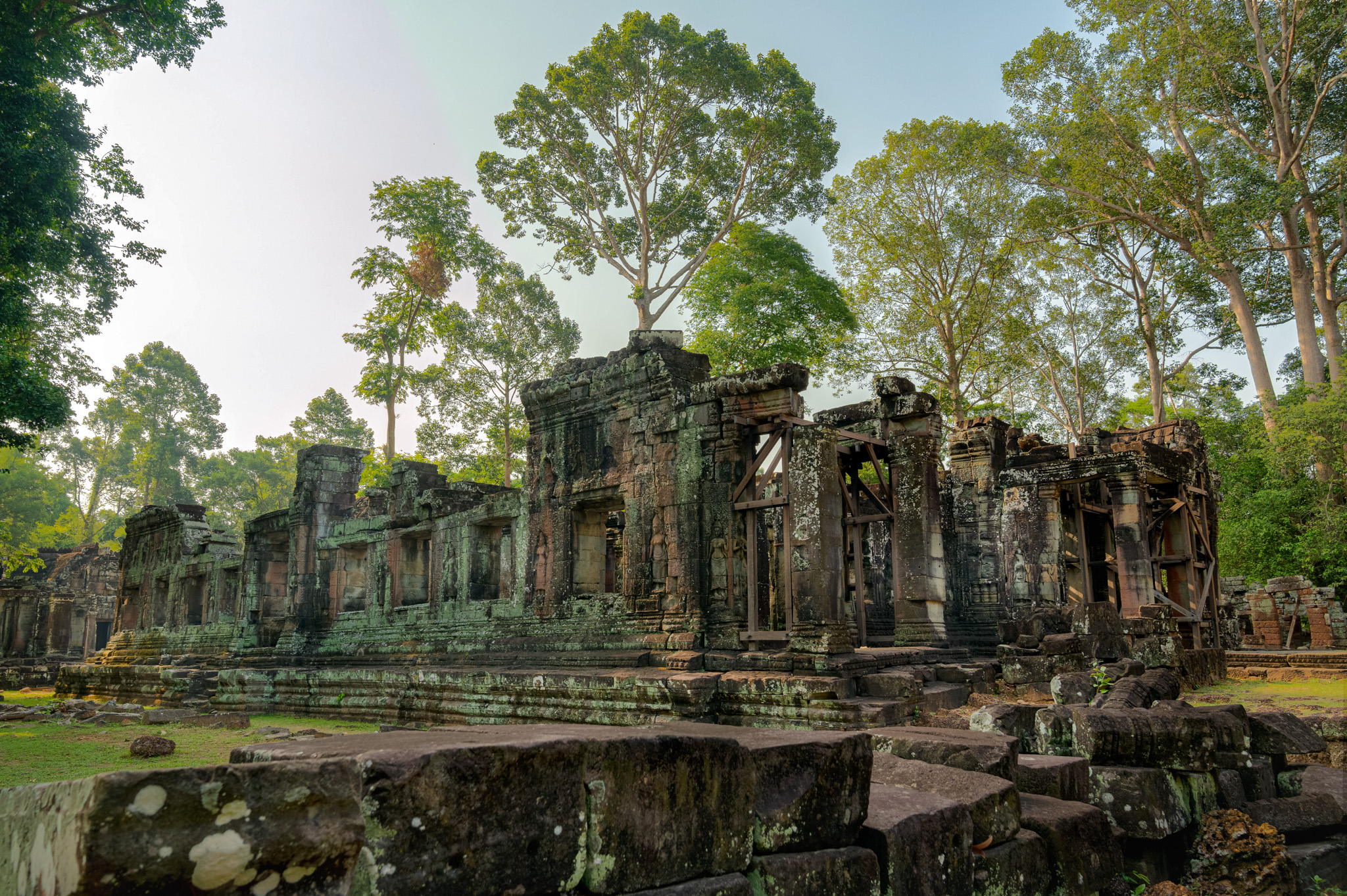
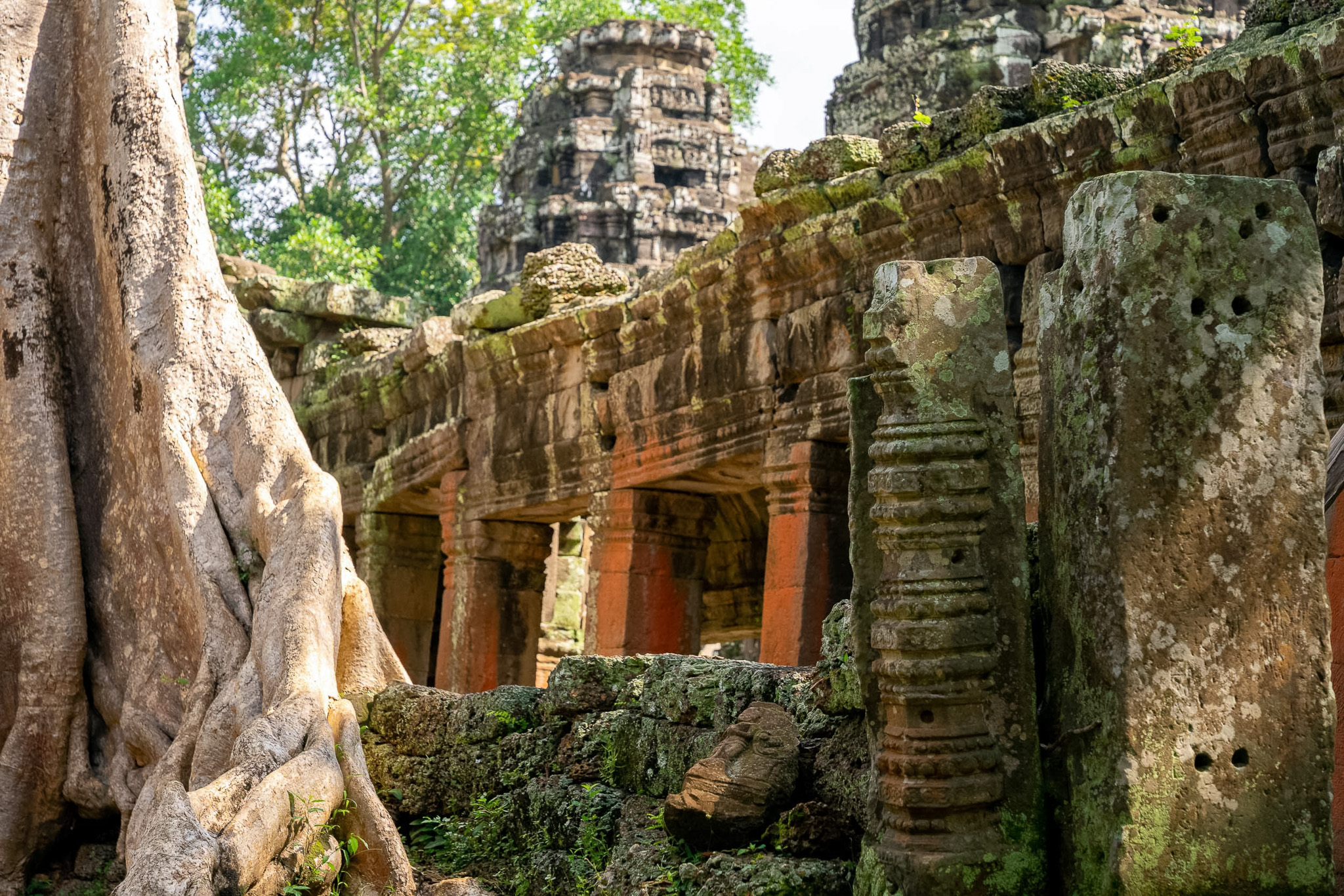
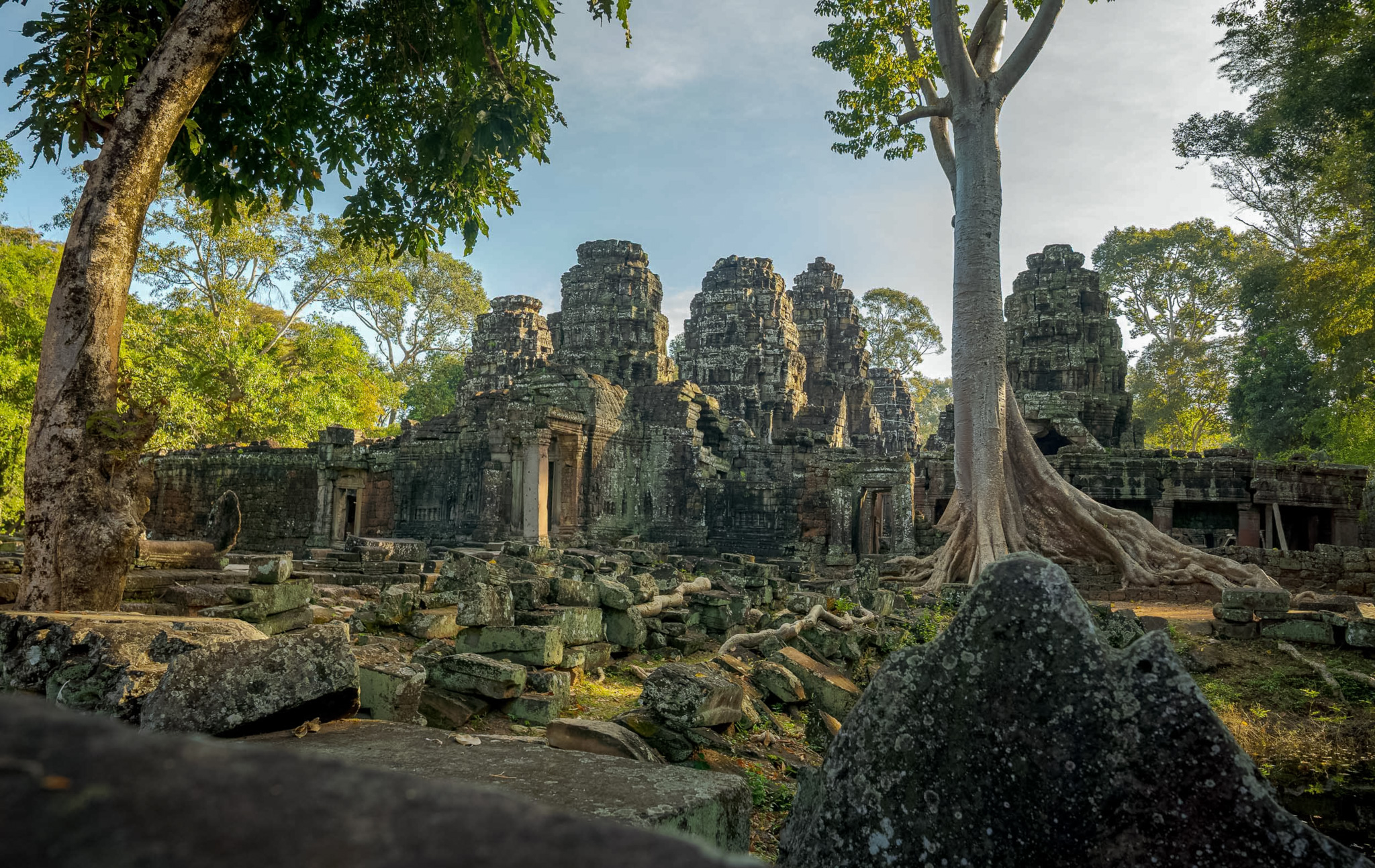
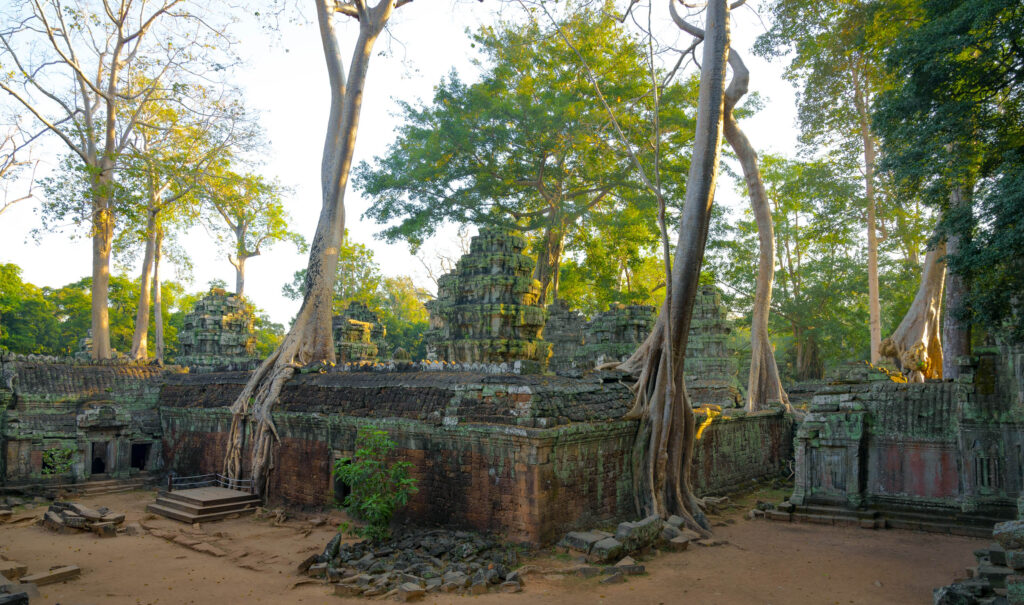
For us, Banteay Kdei has some of the same atmosphere that makes Ta Prohm so enjoyable to explore, with ancient corridors, courtyards, weathered stone and intricate carvings throughout the complex. The difference is that far fewer people visit.
Come early enough in the morning and you may find yourself exploring entire sections of the temple without anyone else around.
Table of Contents
The History of Banteay Kdei
Banteay Kdei was built during the reign of King Jayavarman VII in the late 12th and early 13th centuries as a Buddhist monastic complex. Its name is commonly translated as “Citadel of Chambers.”
The temple has suffered from structural deterioration over the centuries, and you can see leaning walls, displaced stones and partially collapsed areas as you explore.
Far from taking away from the experience, this gives Banteay Kdei much of its character today.
Exploring Banteay Kdei
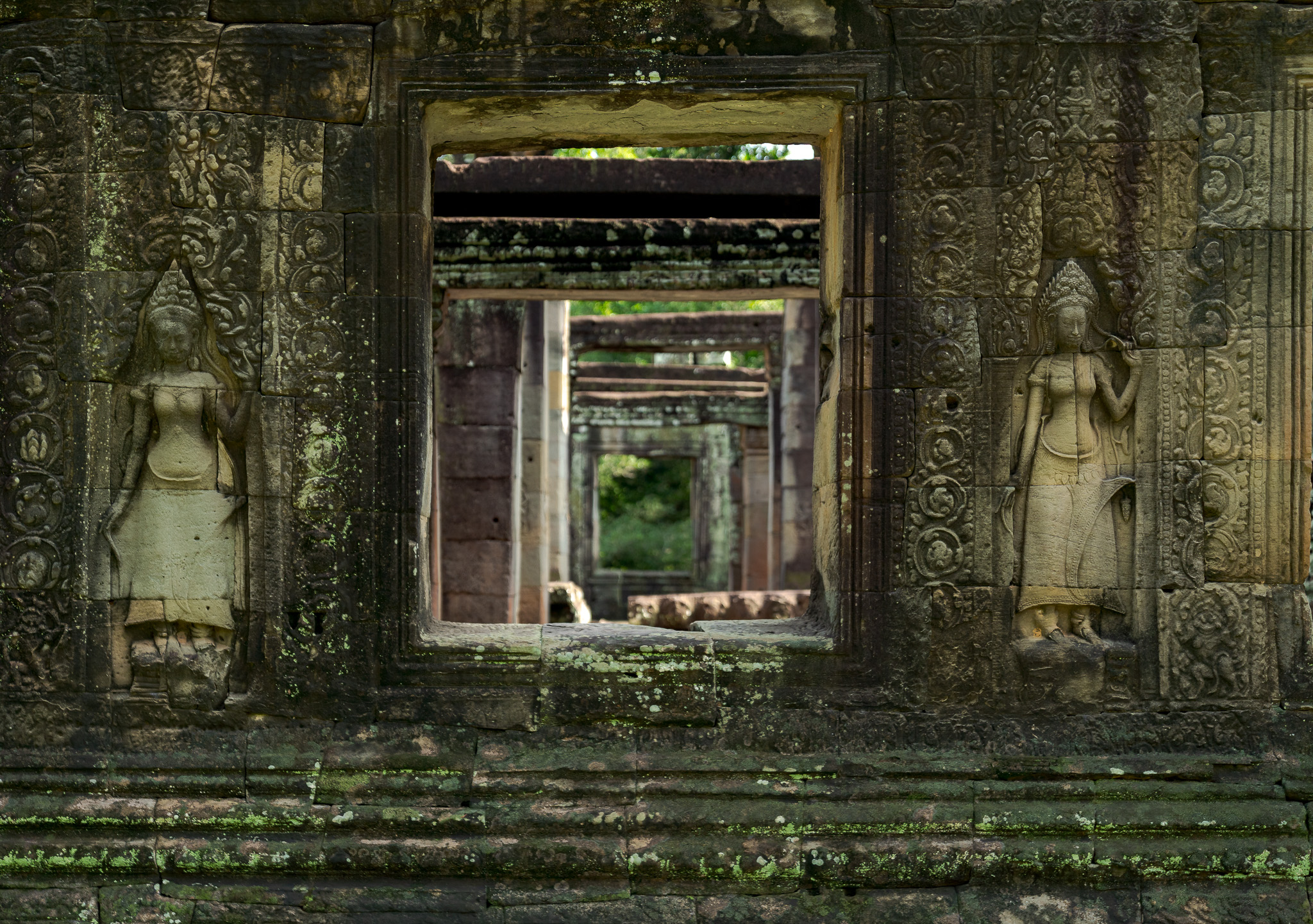
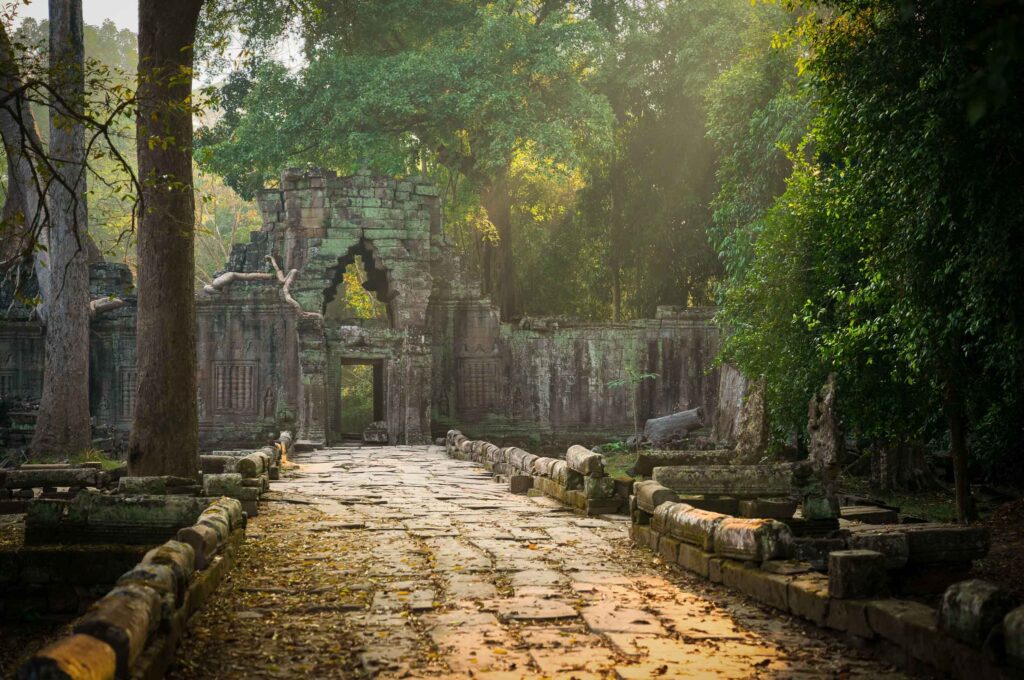
The corridors are one of the highlights of Banteay Kdei. Long sequences of stone doorways create views deep into the temple, while light entering through openings can completely change the appearance of the interior as you move around.
The carvings are also worth slowing down for. Look closely at the walls, towers and doorways and you’ll find beautifully detailed stonework that is easy to walk straight past.
There isn’t one famous tree or viewpoint that everyone is trying to reach. We think that’s one of Banteay Kdei’s strengths. Walk through slowly, look into the side chambers and pay attention to the details.
Beantey Kdei temple
Visit Banteay Kdei Early
If you can, visit Banteay Kdei early in the morning.
While crowds gather at Angkor Wat and later move towards the better-known temples, Banteay Kdei can be remarkably quiet. On some early visits, you can walk through large parts of the complex with virtually nobody else there.
For photographers, this is particularly good. Empty corridors, repeating doorways, detailed carvings and morning light give you plenty to work with without constantly waiting for other visitors to move.
Beantey Kdei temple
Combine Banteay Kdei with Srah Srang
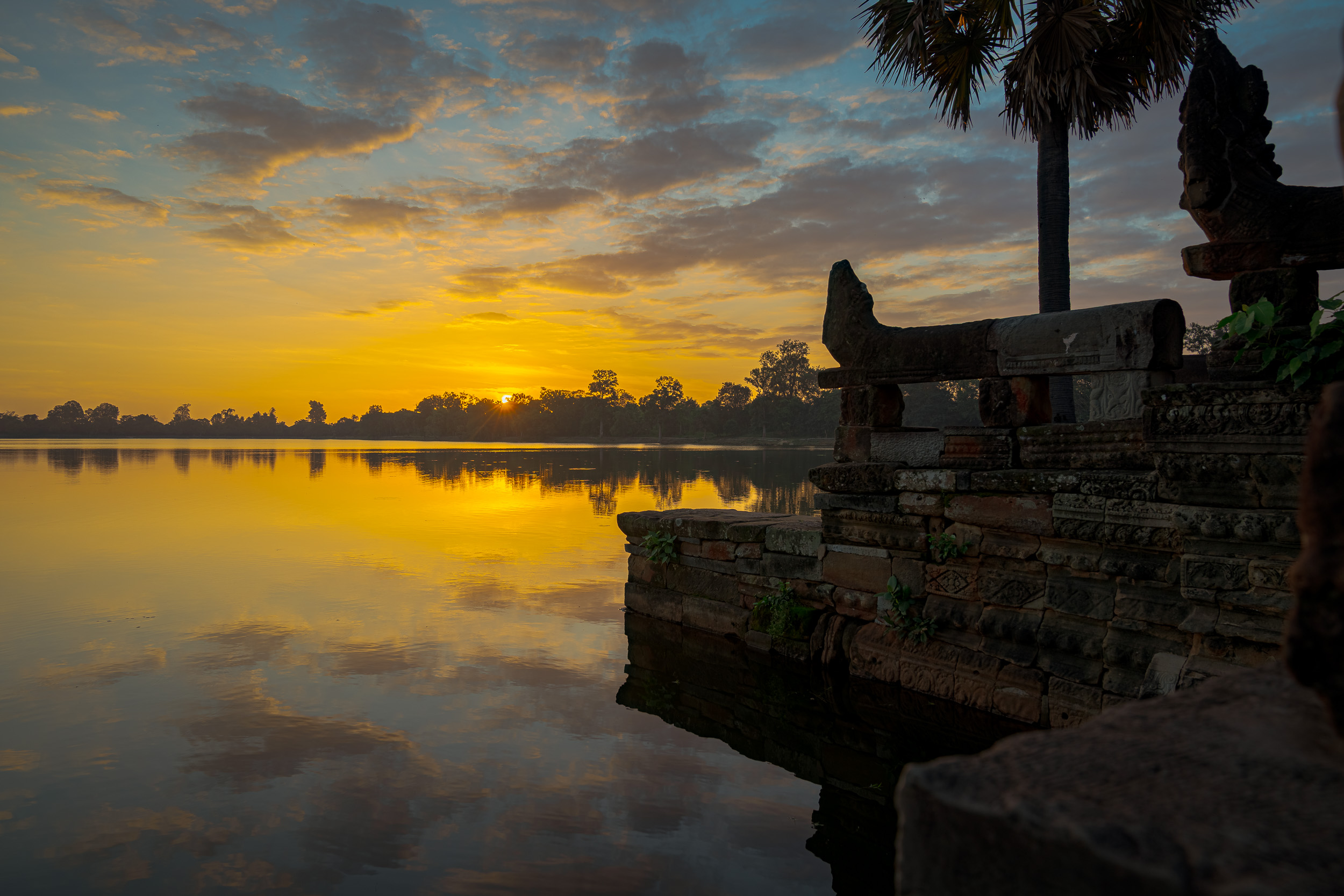
Srah Srang is directly opposite Banteay Kdei, so there is little reason to visit one without at least stopping at the other.
One of our favourite combinations is sunrise at Srah Srang followed by Banteay Kdei early in the morning. You get the open water and sunrise first, followed by the completely different atmosphere of Banteay Kdei’s dark corridors and courtyards.
From here, Ta Prohm is also nearby, making all three easy to incorporate into the same morning.
Is Banteay Kdei Worth Visiting?
Yes. If you enjoyedTa Prohm, there is a good chance you’ll enjoy Banteay Kdei too.
It doesn’t have Ta Prohm’s enormous tree-covered ruins, but the corridors and carvings are spectacular, and the lack of crowds can make exploring the temple much more intimate.
For us, Banteay Kdei is a good example of why it’s worth making time for some of Angkor’s less famous temples. Sometimes the places without the crowds are the ones you get to actually explore.
If you are visiting Banteay Kdei, you may as well also visit Srah Srang, as it’s opposite the main entrance to Banteay Kdei.
Beantey Kdei Temple, western entrance at sunrise
Explore Banteay Kdei without the crowds
We filmed this short video to give you a closer look at Banteay Kdei and the atmosphere of exploring one of Angkor’s quieter temples.
The video takes you through the temple’s ancient corridors, courtyards and beautifully carved ruins, with barely another visitor in sight. It’s an opportunity to appreciate the details and peaceful surroundings without the distractions of large tour groups.
At Connect Cambodia, we believe some of the best experiences at Angkor happen away from the busiest temples and crowds. Banteay Kdei is a great example of what makes taking your time and exploring beyond the main attractions so rewarding.
Watch our video below for a relaxing look around Banteay Kdei.
Continue exploring Angkor
Angkor is much more than just Angkor Wat. Our Angkor temple guides are based on repeated visits and first hand experience, with practical advice on when to go, what to look for and which temples are worth including in your itinerary. Explore more of our guides below, or visit our complete Angkor Wat guide to start planning your time at Angkor.
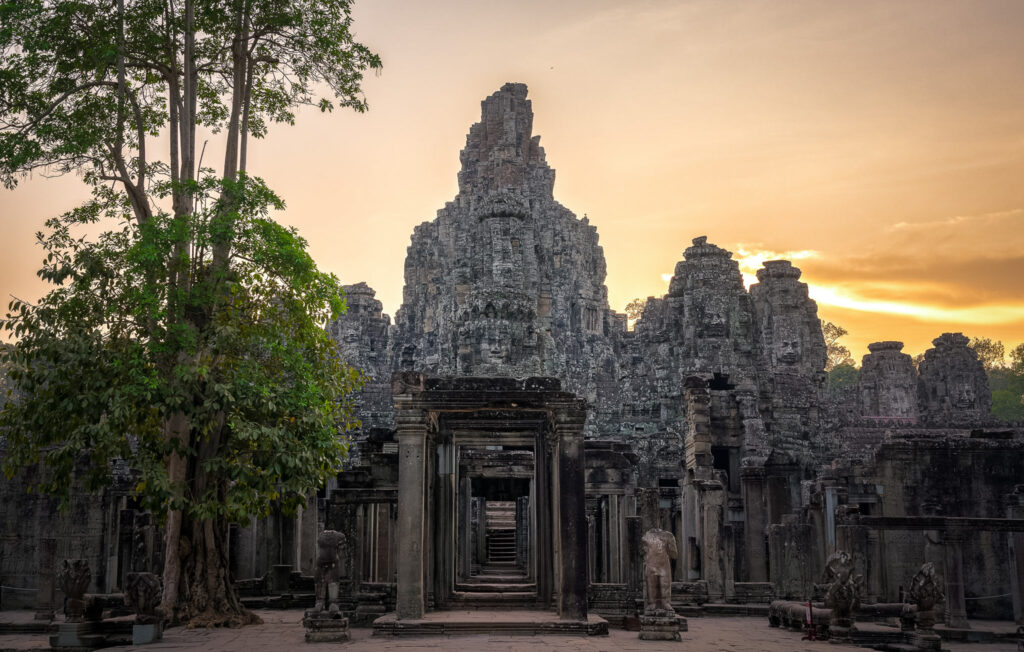
Bayon is one of Angkor’s most remarkable temples, famous for its enormous stone faces and maze of carved galleries. We recommend visiting early, when the temple is quieter and the soft morning light brings the faces to life.
Explore Preah Khan, one of Angkor’s largest temples, known for its atmospheric corridors, ancient carvings and impressive tree roots. Our guide covers what to see and how to plan your visit.
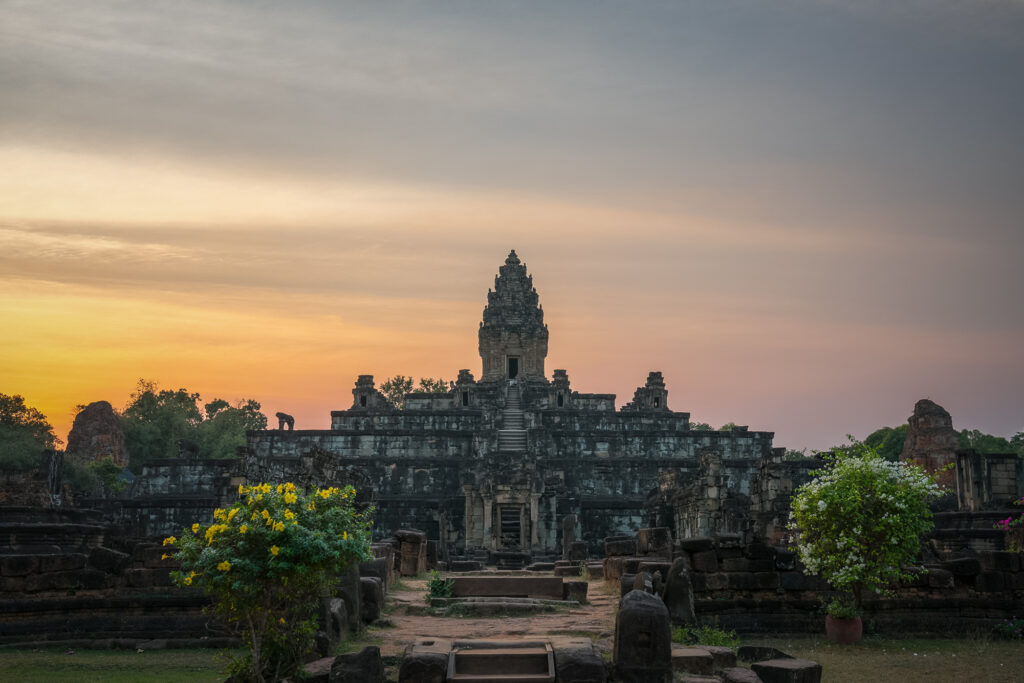
Bakong is one of the oldest temple mountains in the Angkor region. Discover its impressive stepped pyramid, stone elephants and what to know before visiting this historic temple near Siem Reap.
Ta Prohm is famous for its enormous trees growing through the ruins, but there is much more to explore beyond the best-known viewpoints. We recommend visiting early, when its corridors and courtyards are quieter and the temple is at its most atmospheric.
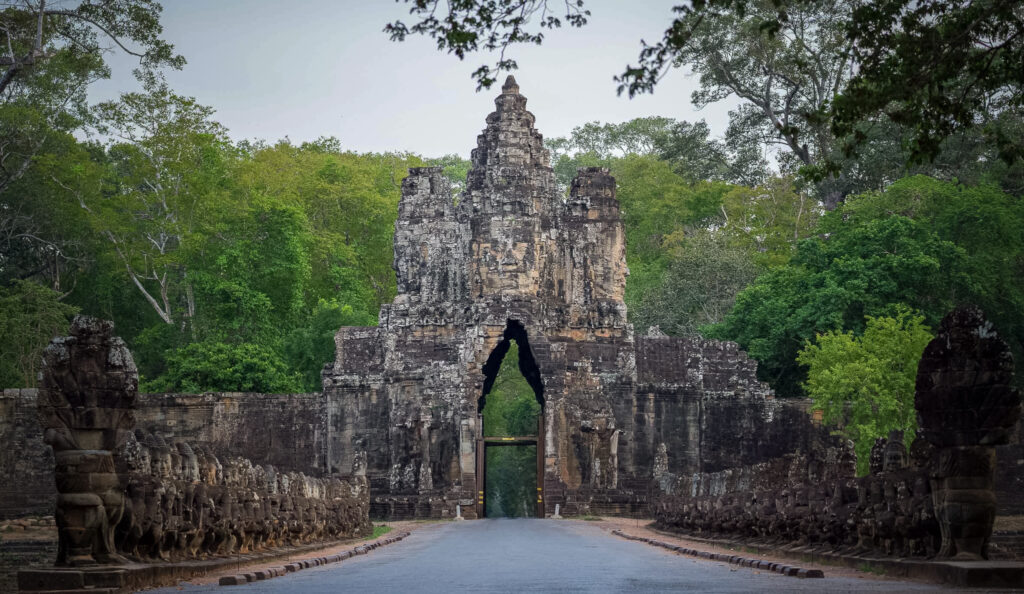
Visit Angkor Thom South Gate, the monumental entrance to the ancient city. Learn what to look for, when to visit, how to avoid the busiest times, and where to find the best views and photographs.
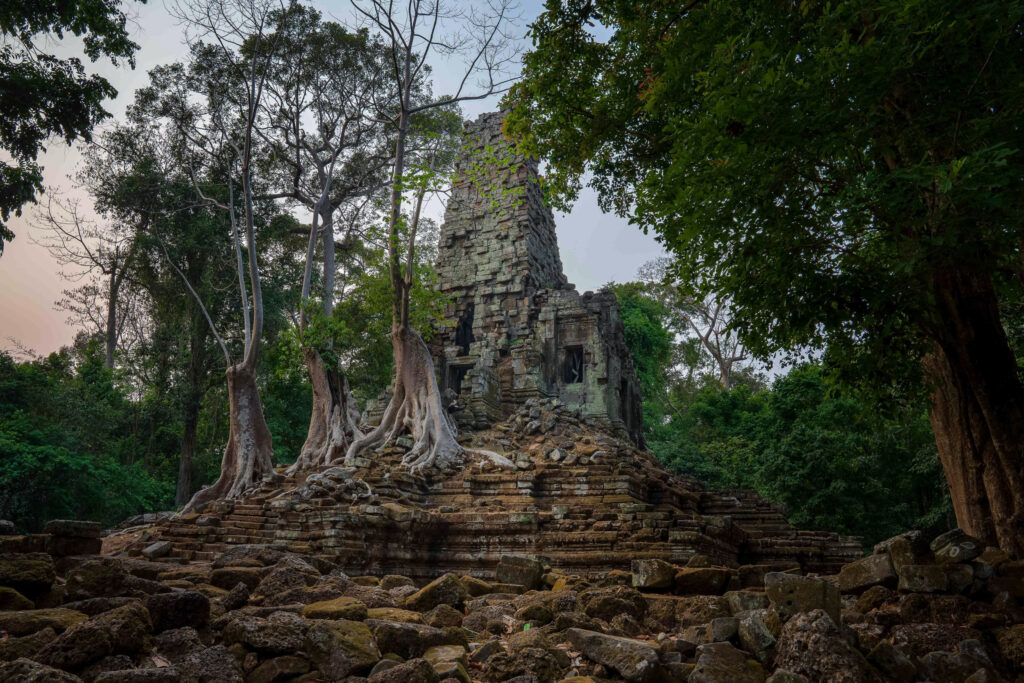
One of our favourite smaller temples at Angkor, Preah Palilay is especially atmospheric during the green season. It’s close to the Terrace of the Elephants, yet usually sees only a handful of visitors, making it an easy addition when exploring Angkor Thom.