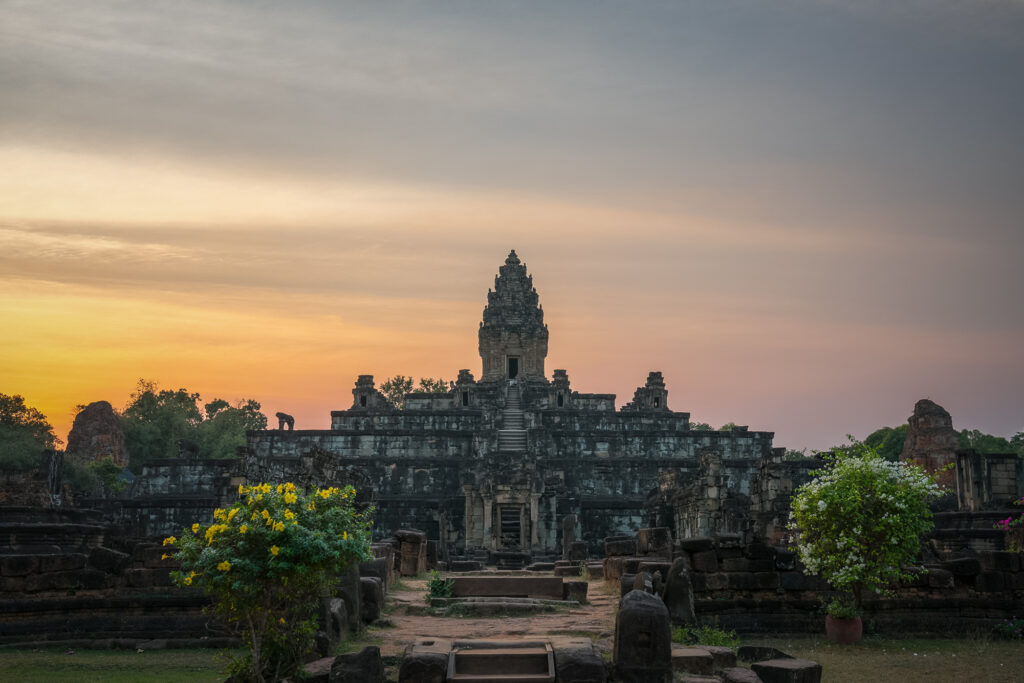
Ta Nei Temple: A Guide to Angkor’s Quiet Jungle Temple

Ta Nei is one of Angkor’s most easily overlooked temples. You don’t see it as you pass through the area because reaching it requires turning off the main route and following a smaller road up through the forest. As a result, many visitors pass nearby without ever knowing it is there, and Ta Nei can remain remarkably quiet even when the better-known temples are busy.

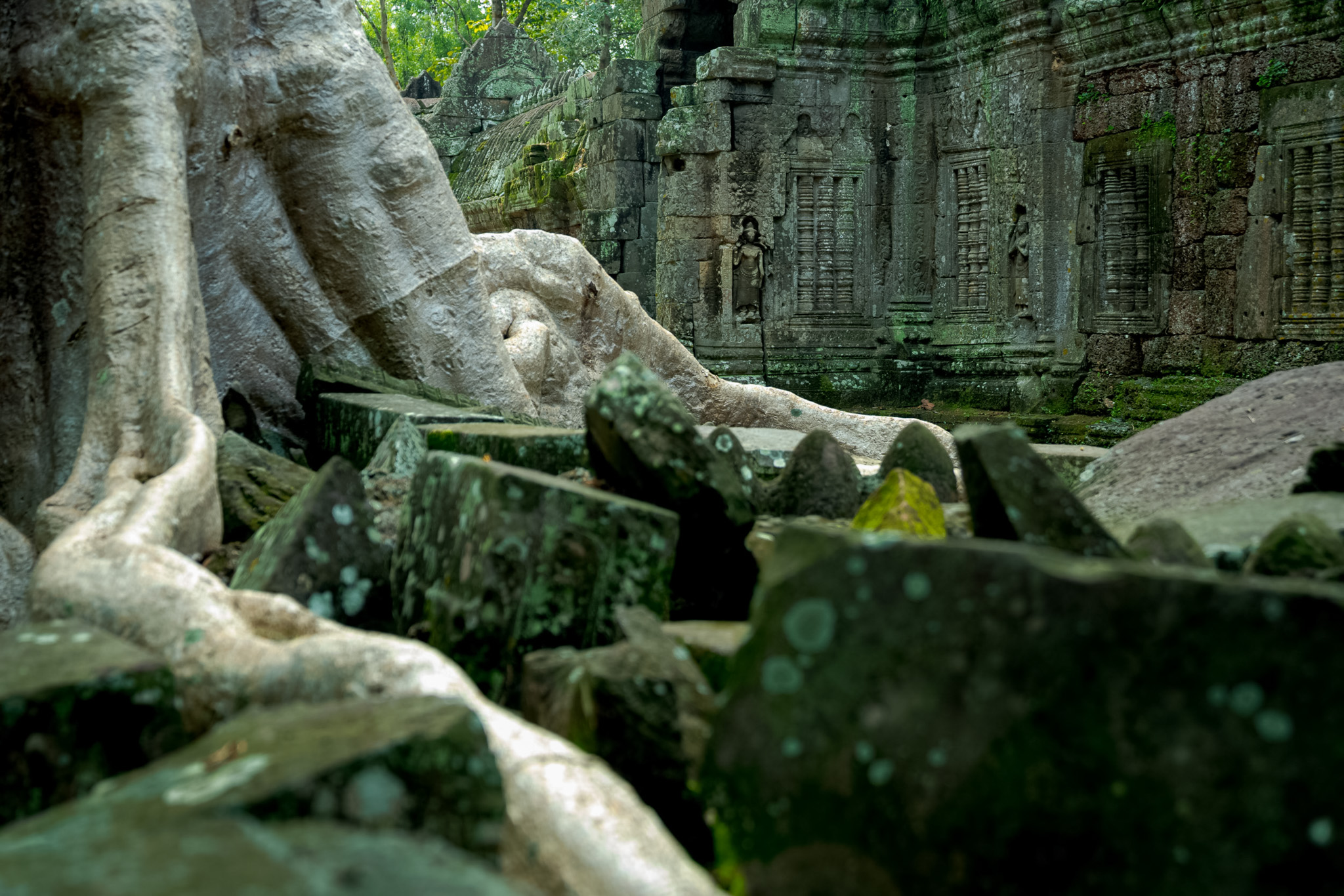
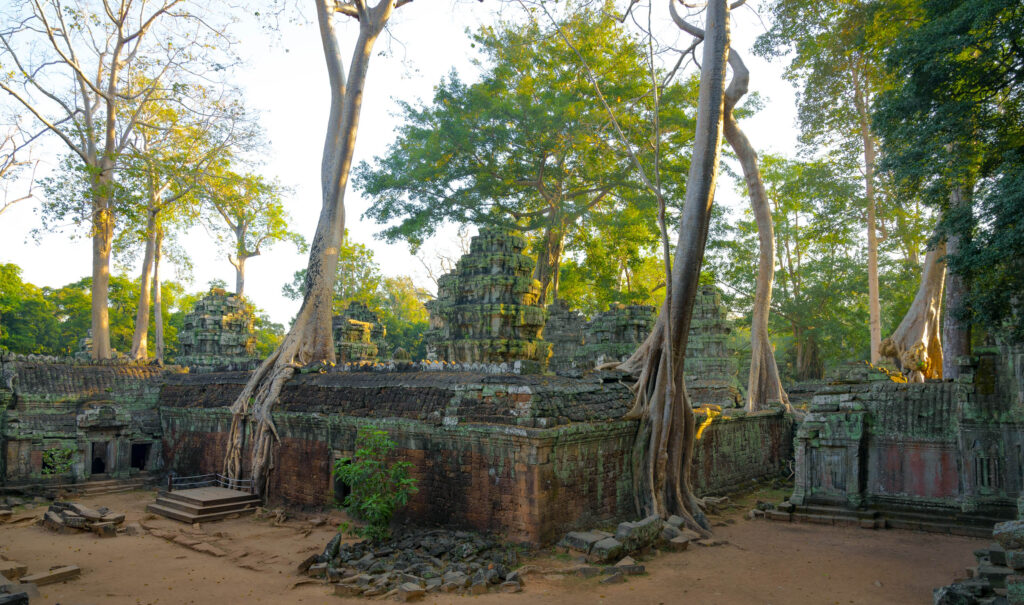
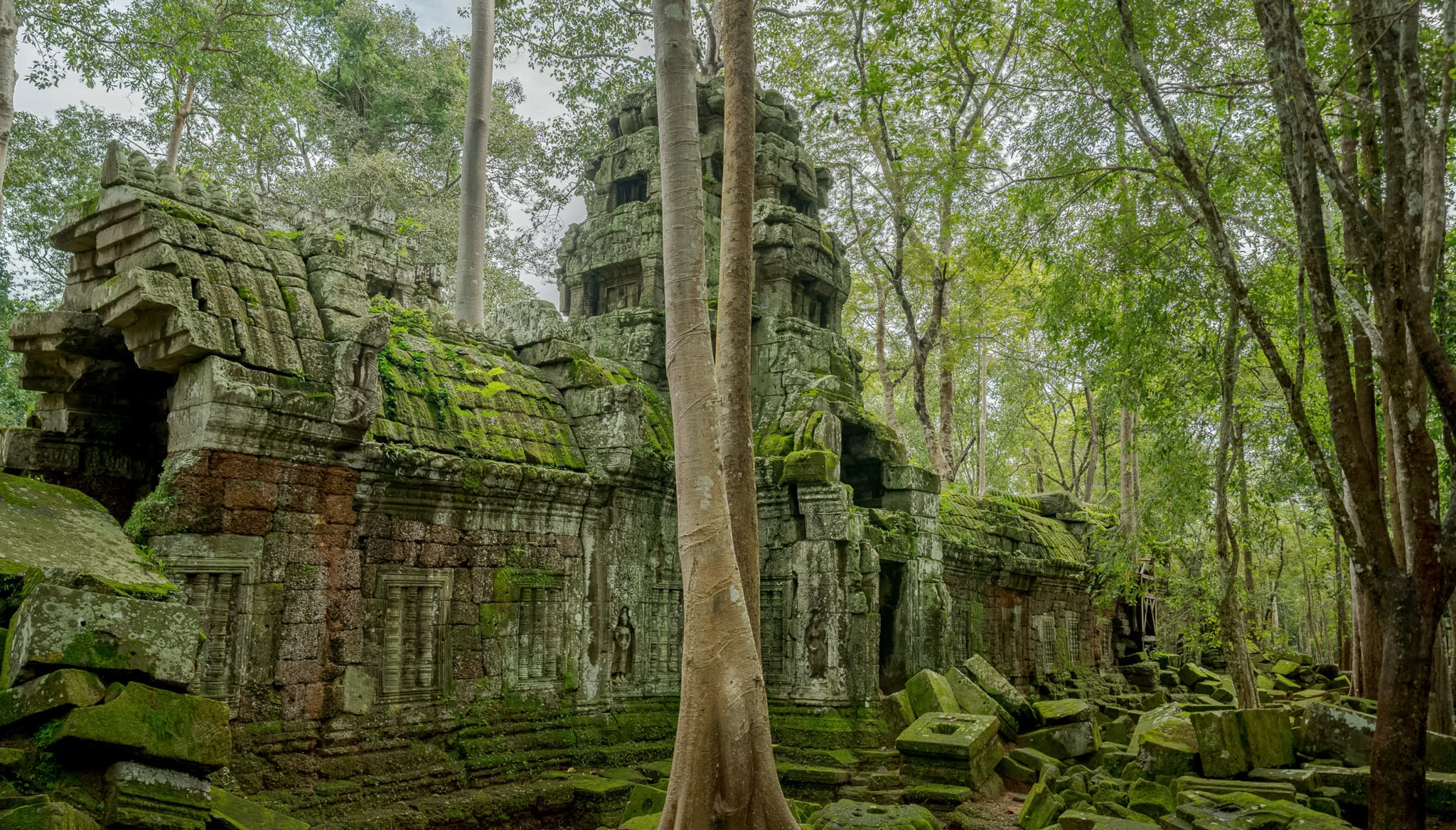
It is also a beautiful temple. We often think of Ta Nei as a smaller, quieter version of Ta Prohm, with ancient stone corridors, partially collapsed structures and the surrounding jungle all contributing to its atmosphere. It doesn’t have Ta Prohm’s enormous famous tree roots, but it offers something that has become increasingly difficult to find at Angkor: privacy.

Visit at a quiet time and you may find yourself completely alone inside the temple, or sharing it with only a handful of other visitors. If you value peaceful exploration, photography without crowds or simply having time to appreciate an Angkor temple without tour groups moving around you, Ta Nei is one of our favourite choices.

In this guide, we’ll cover Ta Nei’s history, what to see, when to visit, photography opportunities and how to include this often-overlooked temple in your Angkor itinerary.

Table of Contents

Ta Nei Practical Information

Opening hours: Ta Nei follows the standard opening hours for most temples in Angkor Archaeological Park, rather than the earlier opening time available at Angkor Wat.

Temple pass: Entry is included with your Angkor Pass. There is no separate admission fee for Ta Nei.

Time needed: Allow around 30 to 45 minutes for a relaxed visit, or longer if you’re interested in photography.

Crowds: Usually very quiet compared with Angkor’s major temples, and it’s not unusual to have sections of the temple completely to yourself.

Shade: Ta Nei is surrounded by forest and relatively well shaded, making it a useful temple to visit later in the morning when more exposed sites are becoming hot.

Accessibility: Expect uneven stone, steps, narrow passages and partially ruined sections. Ta Nei is not one of the easier Angkor temples for visitors with limited mobility.

Facilities: Facilities around Ta Nei itself are limited, so bring water with you and use toilets or buy food and drinks at one of the larger visitor areas before or after your visit.

 

Ta Nei Temple History

Ta Nei was built in the late 12th century during the reign of King Jayavarman VII, the same king responsible for many of Angkor’s most recognisable Buddhist monuments, including Ta Prohm, Preah Khan and Bayon.

The temple was originally dedicated to Buddhist worship and follows the architectural style associated with Jayavarman VII’s reign. Although much smaller than nearby Ta Prohm, you can see similarities in its stone galleries, enclosed courtyards and atmospheric combination of architecture and surrounding forest.

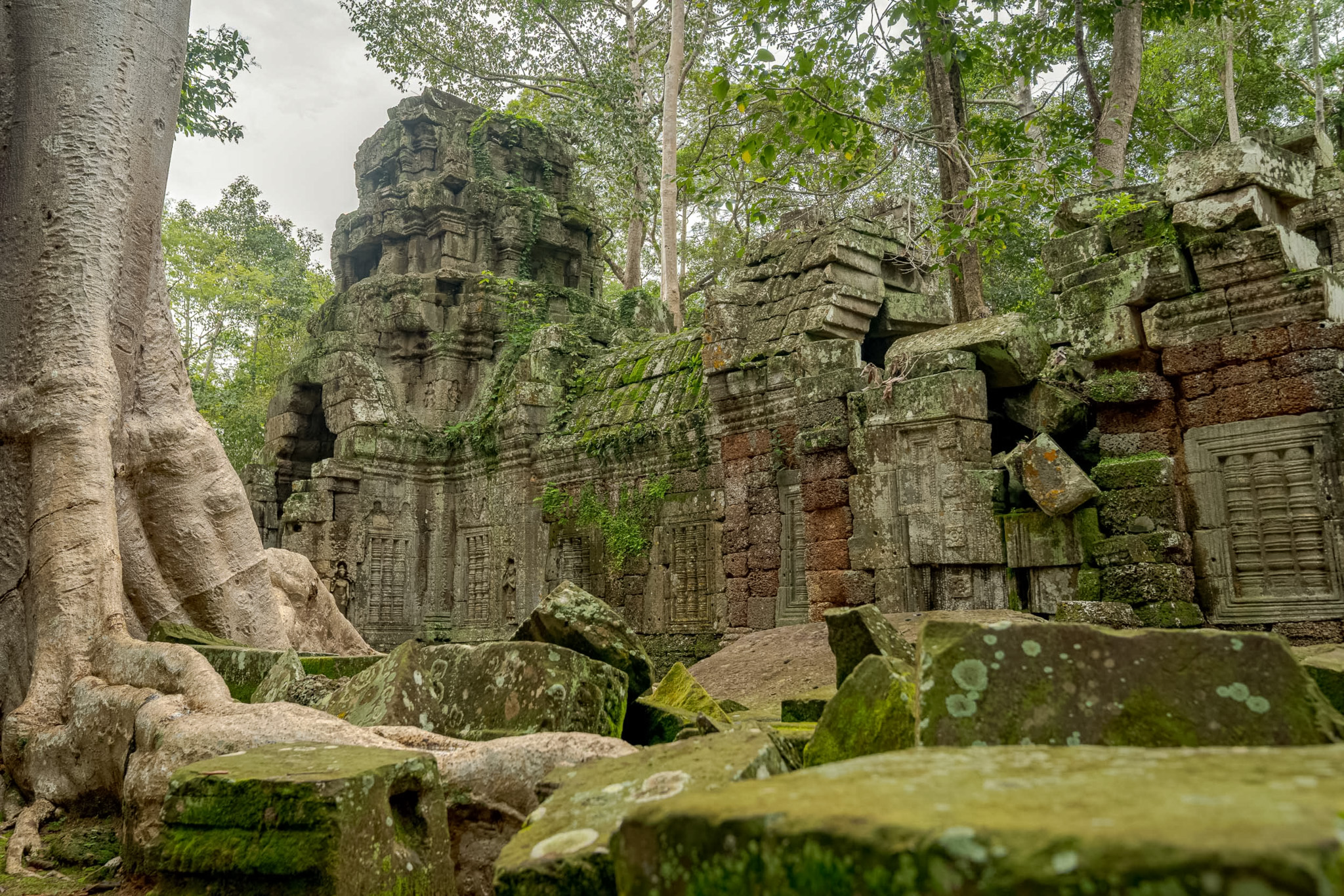
Ta Nei has undergone relatively limited restoration compared with Angkor’s major temples. Collapsed stones and partially ruined structures remain throughout the site, which is a large part of its appeal. It feels less reconstructed and more like a temple you have stumbled across in the jungle.

tree root at ta nei temple

What to See at Ta Nei

Ta Nei is a relatively small temple, so you don’t need a long time to explore it, but there is plenty of detail packed into the ruins. Narrow passageways lead between courtyards and partially collapsed chambers, with doorways and windows creating beautiful views through different layers of the temple.

One of the pleasures of Ta Nei is simply wandering through the corridors without following a particular route. The temple is compact enough that you can explore slowly, double back through different passages and notice details that are easy to miss when moving quickly through Angkor’s larger sites.

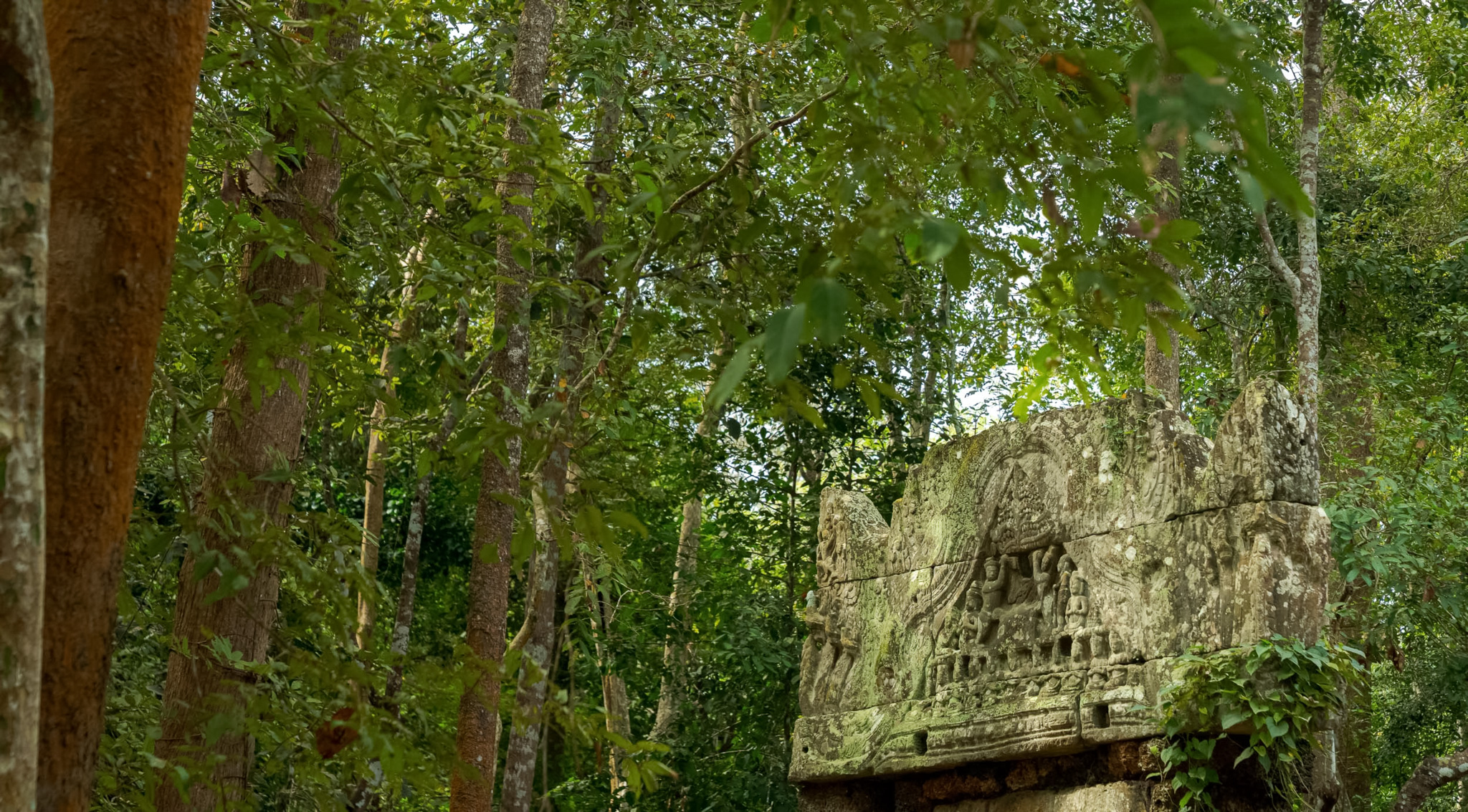
Look out for carved lintels, decorative stonework and the contrast between the ruins and surrounding forest. Some sections are heavily weathered while others retain surprisingly intricate details.

Because Ta Nei receives relatively few visitors, the experience is also about the atmosphere. Without large tour groups moving through the corridors, you can often stop and appreciate the architecture in complete quiet, which is increasingly rare at Angkor’s better-known temples.

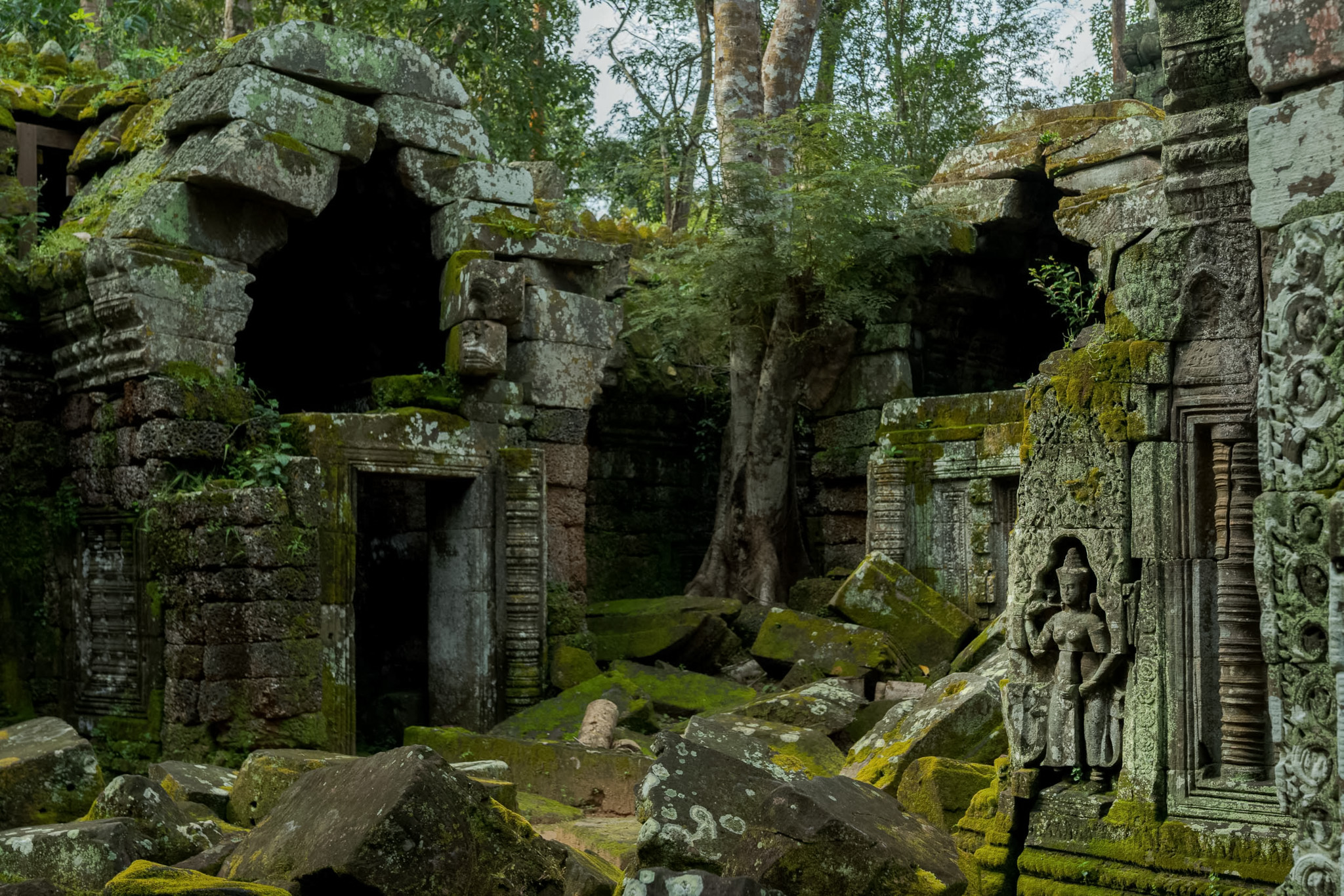
Ruined stone corridors and carved doorway at Ta Nei temple surrounded by jungle
Collapsed stonework, detailed carvings and jungle inside Ta Nei temple.

A Walk Through Ta Nei Temple

Want to see what Ta Nei is actually like to explore?

We filmed this walkthrough of Ta Nei to show you what the temple is really like on the ground. Follow us through its ruins and corridors and see just how quiet and atmospheric this often-overlooked Angkor temple can be.

Best Time to Visit Ta Nei

Early morning is probably the best time to see Ta Nei at its most peaceful, but we wouldn’t prioritise it over Angkor’s busier temples. If you’re starting early, that valuable quiet time is generally better spent at places such as Ta Prohm or Bayon before the crowds arrive.

One of Ta Nei’s advantages is that it often remains quiet later in the day. Its location away from the main route means visitor numbers are usually low, while the surrounding forest provides plenty of shade from the sun.

This makes Ta Nei particularly useful when planning your route. You can save it for later in the morning or another part of the day without sacrificing much of the experience, while using the quieter early hours for temples where timing makes a much bigger difference.

If privacy is important to you, Ta Nei remains one of our favourite choices. Even outside the early morning, there’s a good chance you’ll share the temple with only a handful of other visitors, and occasionally you may have it entirely to yourself.

Photography at Ta Nei

Ta Nei is one of the better temples at Angkor for photography without people in your frame. Its low visitor numbers give you much more freedom to take your time, explore different compositions and wait for the light without constantly having groups walking through the scene.

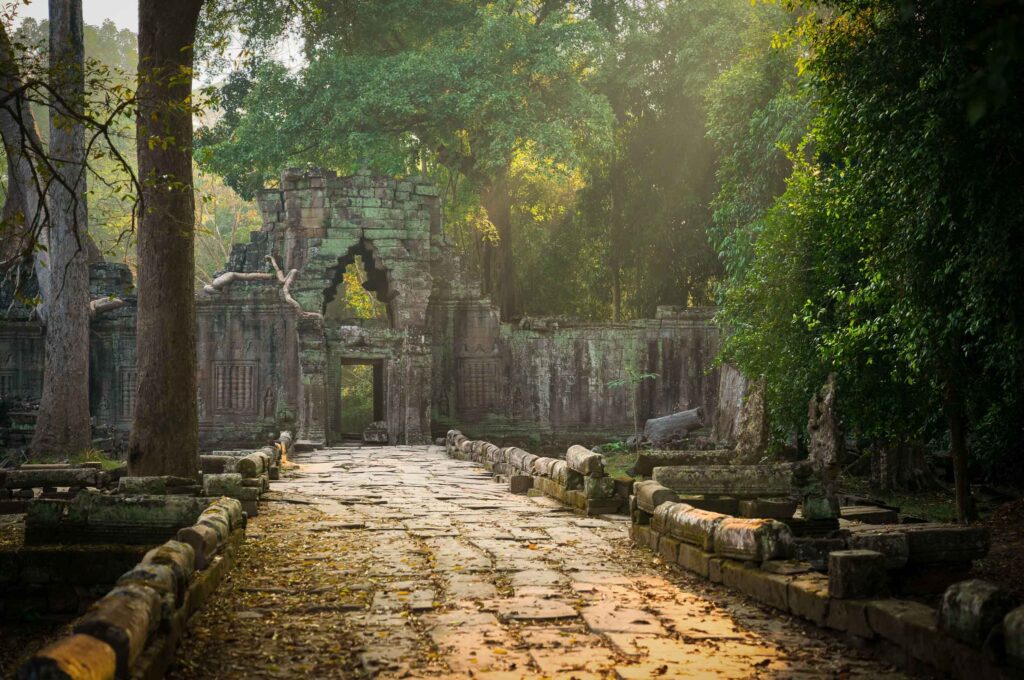
The temple’s narrow corridors, stone doorways, collapsed sections and surrounding forest provide plenty of opportunities for layered compositions. Looking through one doorway into another part of the ruins can work particularly well, while the trees provide a natural backdrop around much of the temple.

Because Ta Nei is heavily forested, soft or overcast light can actually work very well here. You don’t necessarily need the dramatic early-morning or late-afternoon light that benefits some of Angkor’s more open temples.

For us, though, the biggest photographic advantage is privacy. If you want photographs that capture the feeling of discovering an ancient temple in the Cambodian jungle, without crowds dominating the scene, Ta Nei is one of the best places at Angkor to do it.

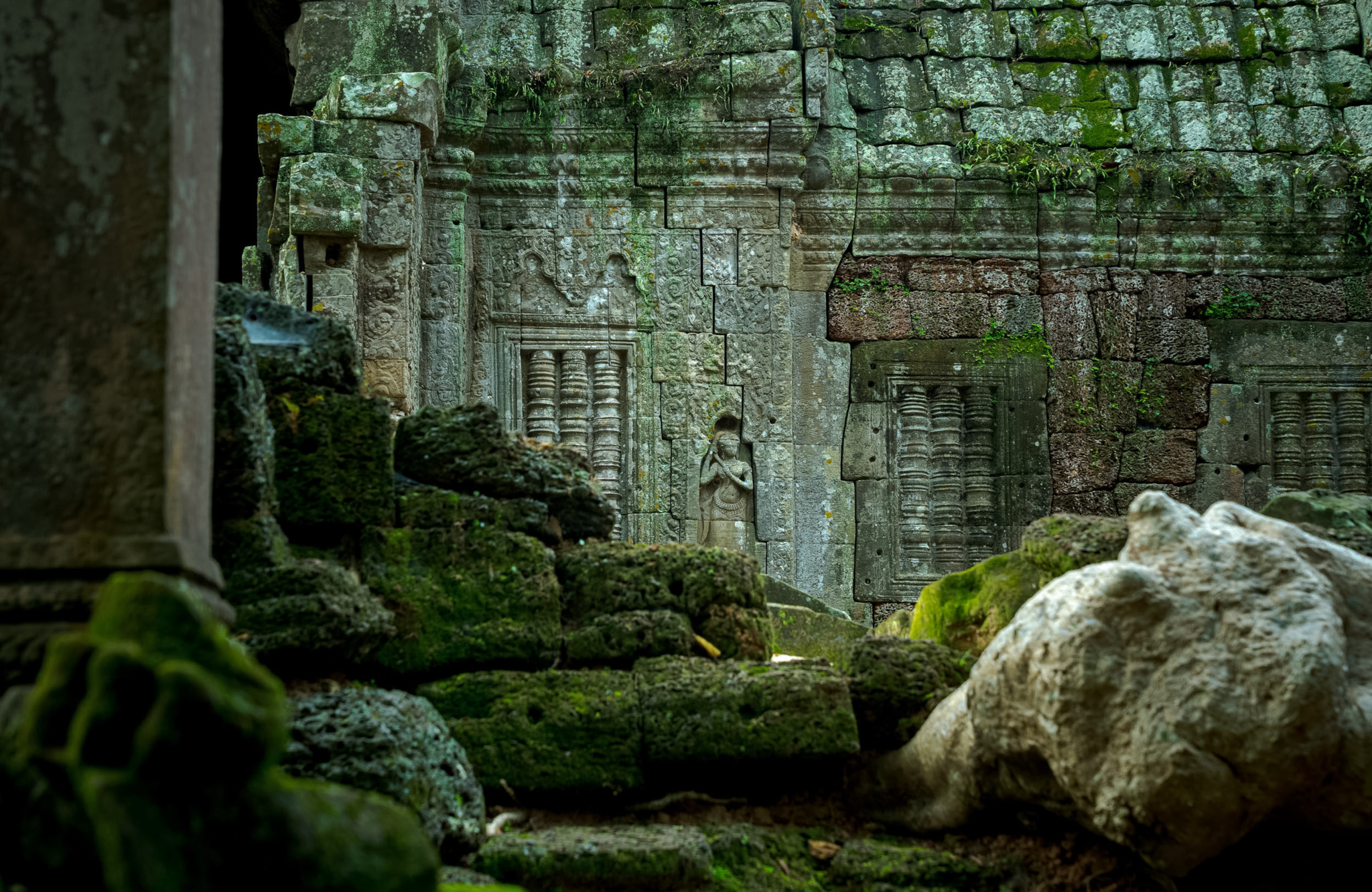
Carved stone doorways and figures framed by the ruins inside Ta Nei temple
Carved doorways and moss-covered stonework create natural compositions inside Ta Nei.

How Long Do You Need at Ta Nei?

Around 30 to 45 minutes is enough for most visitors to explore Ta Nei without rushing. It is a relatively compact temple, and you can comfortably walk through its corridors, courtyards and surrounding ruins in that time.

If you’re particularly interested in photography or simply enjoying the quiet atmosphere, you may want to stay longer. Ta Nei is one of those temples where there isn’t necessarily a long checklist of things you need to see. Much of its appeal comes from slowing down and exploring the ruins at your own pace.

Because it doesn’t require a major time commitment, Ta Nei is also easy to add to an existing Angkor itinerary, particularly when travelling between some of the better-known temples nearby.

How to Include Ta Nei in Your Angkor Route

Ta Nei is easy to add to a day exploring Angkor Thom, Bayon and Ta Prohm, but its position away from the main road means it is often missed by visitors following the standard routes.

One option we particularly like is visiting Ta Nei after Bayon. If you’ve started early and explored Angkor Wat and Angkor Thom in the morning, Ta Nei makes a peaceful final temple before taking a break during the hottest part of the day.

Because Ta Nei is shaded by the surrounding forest and usually much quieter than the major temples, you don’t lose much by visiting it later in the morning. You can then return to your hotel for lunch, a swim or some air conditioning before heading back out in the afternoon.

Ta Prohm can work particularly well after the midday break, along with other temples you want to photograph or explore in the softer afternoon light.

We wouldn’t build an itinerary around Ta Nei. Instead, think of it as a beautiful, quiet addition to your route that can be fitted around the temples where timing and crowds matter more.

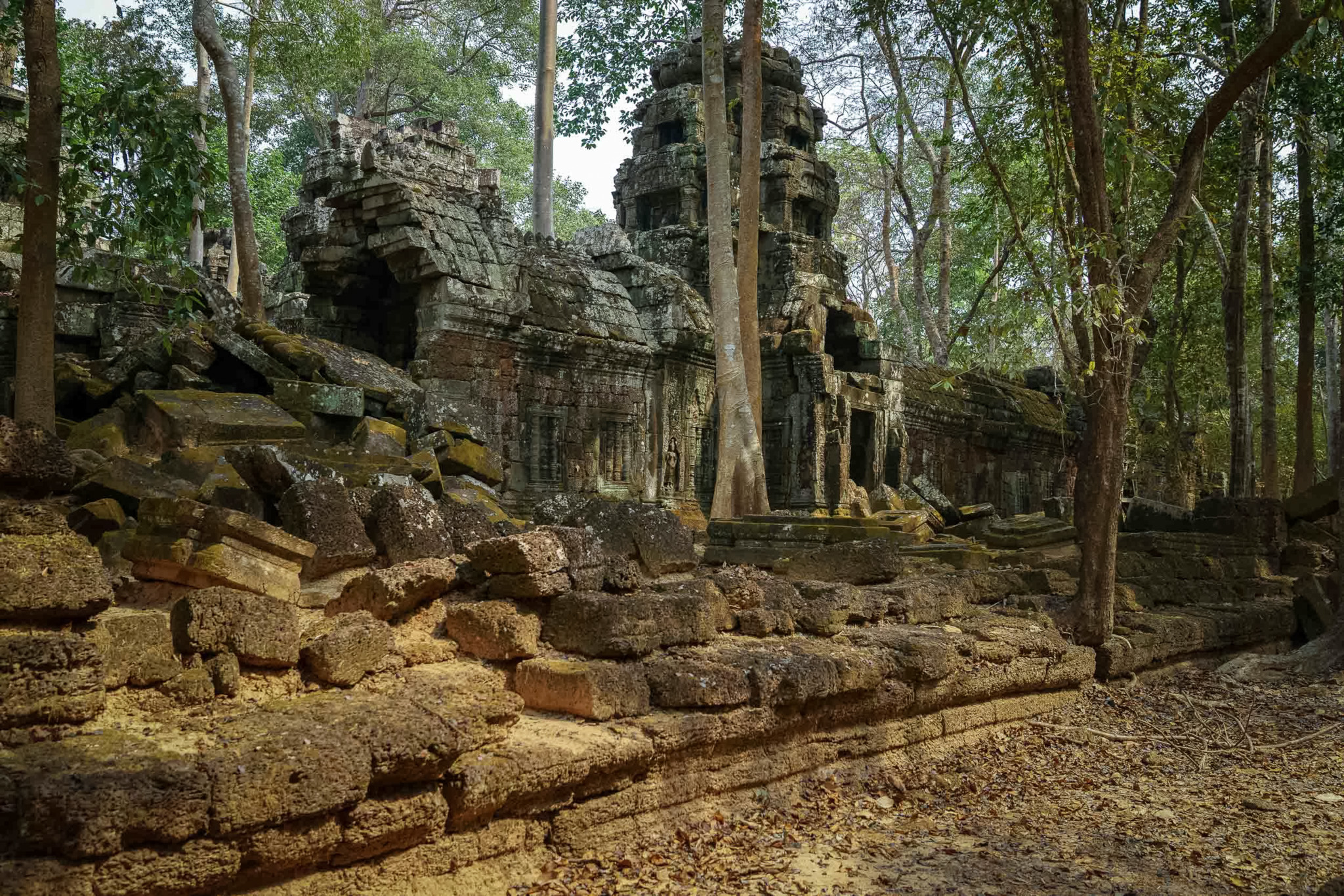
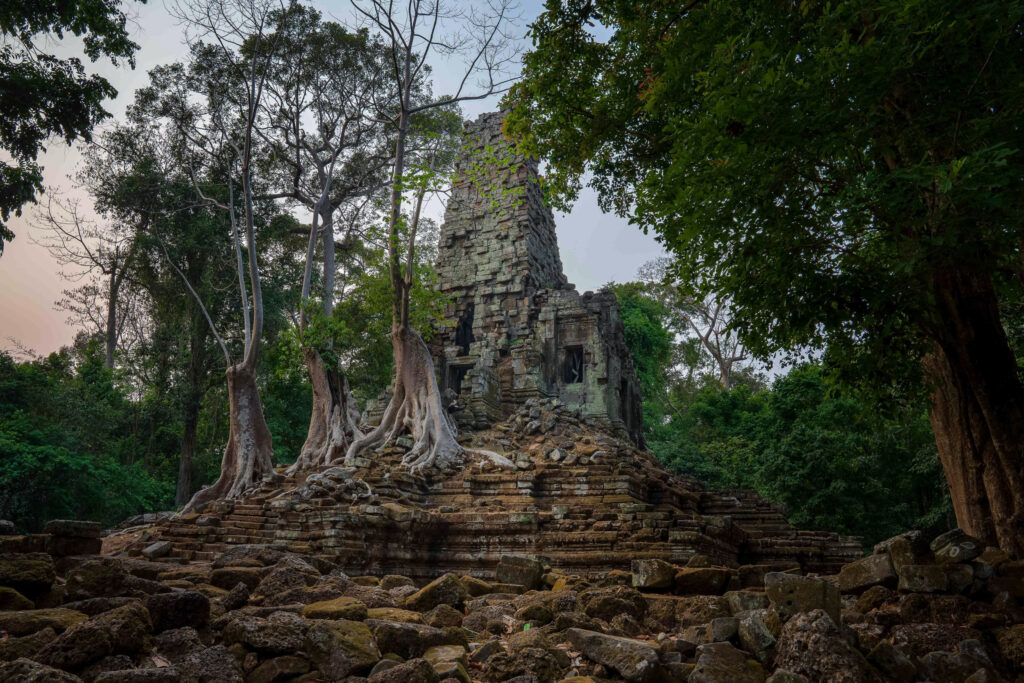
Ta Nei temple surrounded by dense forest in Angkor Archaeological Park

Is Ta Nei Worth Visiting?

Yes, particularly if you enjoy quieter temples and have enough time to go beyond Angkor’s most famous sites. Ta Nei isn’t a temple we’d recommend choosing instead of Angkor Wat, Bayon or Ta Prohm on a first visit, but it is one of our favourite additions to a longer day at Angkor.

What makes it worthwhile isn’t one famous carving or viewpoint. It’s the combination of beautiful ruins, jungle surroundings and very low visitor numbers. There are few places around the main Angkor temple routes where you have such a good chance of finding yourself completely alone.

We often describe Ta Nei as a smaller, quieter version of Ta Prohm. It doesn’t have the enormous tree roots or scale that make Ta Prohm famous, but if you value privacy, atmosphere and the chance to explore at your own pace, that can actually be part of its appeal.

For visitors with a little extra time, Ta Nei is absolutely worth the detour.

Continue exploring Angkor

Angkor is much more than just Angkor Wat. Our Angkor temple guides are based on repeated visits and first hand experience, with practical advice on when to go, what to look for and which temples are worth including in your itinerary. Explore more of our guides below, or visit our complete Angkor Wat guide to start planning your time at Angkor.

Ta Prohm is famous for its enormous trees growing through the ruins, but there is much more to explore beyond the best-known viewpoints. We recommend visiting early, when its corridors and courtyards are quieter and the temple is at its most atmospheric.
Baphuon is one of Angkor Thom’s most impressive temple mountains, with a long raised causeway, steep upper terraces and an enormous reclining Buddha. We recommend allowing time to climb and explore its remarkable architecture and restoration story.
Bayon is one of Angkor’s most remarkable temples, famous for its enormous stone faces and maze of carved galleries. We recommend visiting early, when the temple is quieter and the soft morning light brings the faces to life.
We recommend Banteay Kdei for its atmospheric corridors, detailed carvings and quieter feel compared with nearby Ta Prohm. Visit early and you can often explore some of its most beautiful sections with very few other people around.
One of our favourite smaller temples at Angkor, Ta Nei is peaceful, atmospheric and still receives relatively few visitors. We recommend it for travellers who want to step beyond the standard temple circuit.
Srah Srang is one of our favourite places to start an early morning at Angkor, with beautiful sunrise views and far fewer people than Angkor Wat. It also pairs perfectly with an early visit to Banteay Kdei directly opposite.